A website for musicians: what your artist page should include
A musician’s website should make three things easy to find: who the artist is, what to listen to now and how to get in touch. Build the page around the current release, then add enough context for listeners, collaborators and bookers to take the next step.
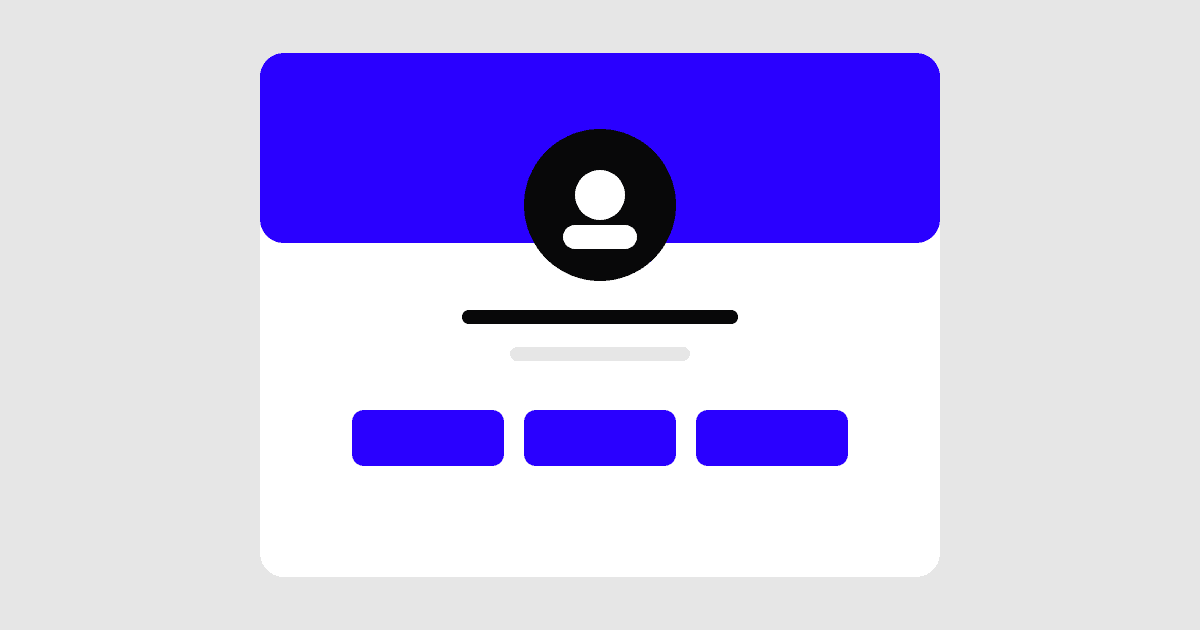
Make the first screen identify the artist
Use the artist name consistently and choose a portrait or visual that matches the current music. A short introduction should explain the project in concrete terms. A location, musical direction or recent release is more useful than a string of broad claims about being unique.
Place the current release near the top with a clear listening action. If there is no new release, select a representative track or project. Avoid making visitors choose between a long list of equally prominent buttons before they know what you want them to hear.
Choose content for listeners and professional contacts
Listeners need a direct route to the music. A promoter may need a short biography, suitable imagery and a booking contact. Give these needs a clear order instead of placing every possible asset in the opening section. Use descriptive link labels so a visitor knows which platform or resource will open.
Write a compact biography in the third person if you expect others to reuse it. Keep factual credits accurate and only include public contact information you intend to share. Link to a separate press resource when the amount of material would overwhelm the main page.
Keep the page useful after release day
Test every destination on a phone and in a signed-out browser. Check that the links lead to the intended artist and release, and remove expired campaign actions. If you offer a contact route, verify it with the person responsible before publishing the address.
Make updating the page part of the release handoff: change the featured artwork, revise the listening destination and remove outdated dates. Use Artist ID as the starting point for planning that central artist presence, then check the published page and its links whenever a campaign changes.
- Recognisable artist name and image.
- One prominent current release or listening action.
- Short biography with verifiable details.
- Clear public contact and maintained links.
Questions & answers
Is an artist website the same as a release smart link?
They have different jobs. A release link helps listeners choose where to hear one project. An artist website introduces the broader project and can connect music, biography and contact information.
How much biography should the page contain?
Start with a short, specific introduction. Add a longer press biography only when there is a real use for it. The page should let people reach the music before requiring them to read the full history.